

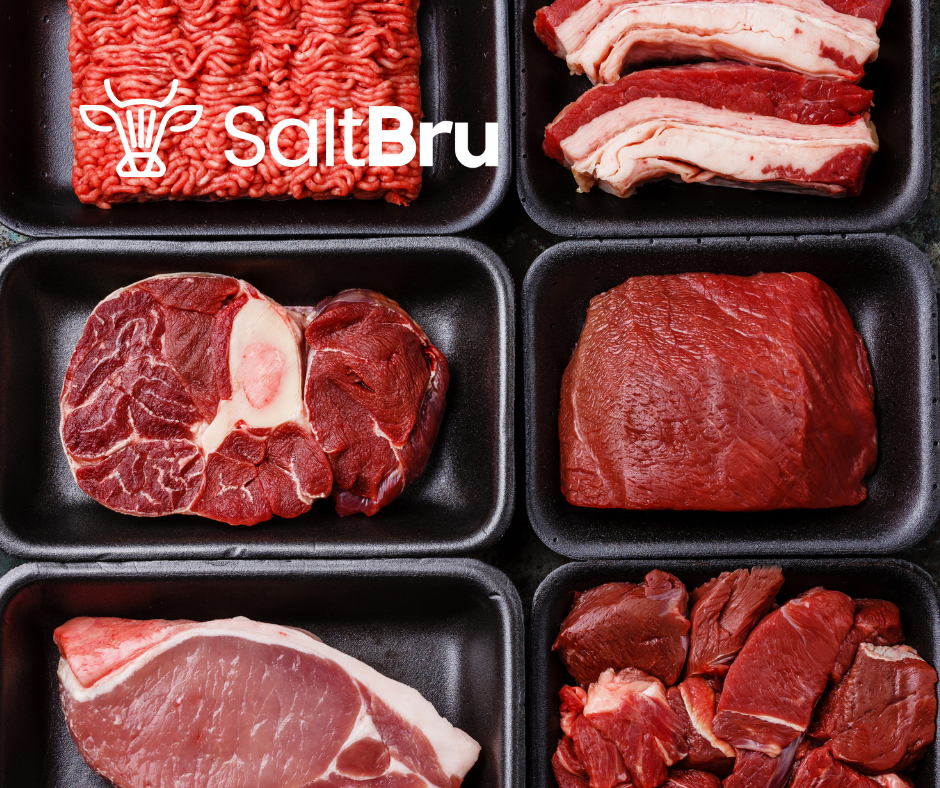
You have a logistical issue if you have ever opened your freezer and discovered a mysterious container of leftovers and a lone, frost-bitten bag of peas when you were craving a thick, marbleized ribeye.
A refrigerator is more than just an appliance in a contemporary South African kitchen; it is a high-performance storage device. Making the switch from “daily grocery runs” to “strategic bulk buying” can mean the difference between having a luxurious Tuesday meal and having to settle for toast because you neglected to visit the store.
Purchasing in bulk involves more than merely saving a few Rand at the register. It’s a mechanical and chemical approach for your kitchen. Aging, portioning, and maintaining the “cold chain” from our Gauteng facility to your grill are all important.
Forget the messy shelves at the neighbourhood grocery store. Let’s examine the three main components of a modern home’s SaltBru Carnivore Club Pack.
1. The Beef blueprint
You are handling a live product when you order a variety of beef in bulk, such as sirloin, T-bone, and rump. Beef is tough and, when prepared properly, gets better with a little perseverance.
The ideology:
A steady atmosphere is necessary for beef. Beef benefits from a regulated “resting” period, in contrast to chicken or lamb. Purchasing in bulk gives you the freedom to choose. You can choose which slices will benefit from a few more days of wet aging in their vacuum seals and which are meant for the braai’s instant heat. Our grain-fed cuts’ high fat content serves as a natural insulator, keeping the muscle fibres intact while the enzymes work their magic to make them more delicate.
The approach:
- Take quick action: Store your steaks in the refrigerator’s coldest section (typically the bottom rear shelf) for the next 48 hours.
- The long game: Freeze steaks in their original vacuum packaging as soon as possible if you won’t be eating them within three days. By preventing oxygen from meeting the meat’s surface, “freezer burn” is avoided.
- The thaw: Never use a microwave in any situation. 24 hours prior to cooking, transfer your beef from the freezer to the refrigerator. Because the cell walls are preserved by this gradual temperature increase, the juices remain in the steak rather than spilling onto the dish.
2. The Lamb and Pork protocol
Pork and lamb are completely different animals, shown in their distinct fat profiles. These fats need to be handled more carefully in the refrigerator since they are more sensitive than beef tallow.
The ideology:
If exposed, the lipids in lamb and pork are prone to oxidation. Because of this, purchasing in bulk from a specialist like SaltBru is preferable to using supermarket trays because our vacuum sealing process safeguards those valuable lipids. Here, the objective is “freshness retention.” Instead of tasting like the back of a freezer, you want that lamb chop to taste like the Karoo.
The approach:
- Portion control: Divide your rashers or chops into meal-sized pieces as soon as your bulk pack arrives.
- “Deep freeze” rotation: Rotate your stock of lamb and pork every three to four weeks. Although they can be frozen for a longer period, the first month is when the flavour profile is at its optimum.
- Fat protection: Keep these away from strong-smelling things like onions or garlic when stacking them in your contemporary refrigerator drawers. Even through plastic, fat absorbs smells like a sponge. To preserve that clean, pure flavour, keep your meat seperate.
3. The poultry pipeline
The mainstay of the contemporary refrigerator is chicken. It is the “filler” that keeps the family fed in between the large weekend braais, the protein boost, and the midweek saviour. However, poultry is the most susceptible to temperature changes since it is leaner and contains more water.
The ideology:
Managing moisture is crucial for poultry. Dehydration is the enemy when purchasing large quantities of chicken fillets or thighs. The meat is stringy and rough when heated if it dries out in the refrigerator. For chicken, the contemporary refrigerator approach is “Fast In, Fast Out” or “Season and Store.”
The approach:
- Prep hack: Since you have an abundance of chicken, season half of it for ten minutes before freezing. As the meat thaws later in the week, a dry rub of salt, paprika, and cumin forms a barrier of protection and lets the flavor seep in.
- Safe stacking: Keep your chicken on the refrigerator’s lowest shelf. This is a safety precaution so that any moisture that escapes won’t fall onto your ready-to-eat cheeses or vegetables.
- Batch cook: Think about roasting or poaching some of your bulk chicken purchase right now. During a hectic Gauteng workweek, shredded chicken is a quick base for salads, wraps, or pastas and stays well in the refrigerator for three days.
Let’s optimise your inventory
The hallmark of a master of the home is a well-stocked refrigerator. It replaces the anxiety of “what’s for supper” with the assurance of a skilled chef. Every delicious meal starts with your SaltBru bulk box.
Plan for the month instead of shopping for the day. The cold chain is your best friend, and your kitchen serves as a laboratory.
Join the Carnivore Club to get first dibs on our Meat Packs: https://chat.whatsapp.com/HQmBkbx73wX7I4GtbJFS5A