

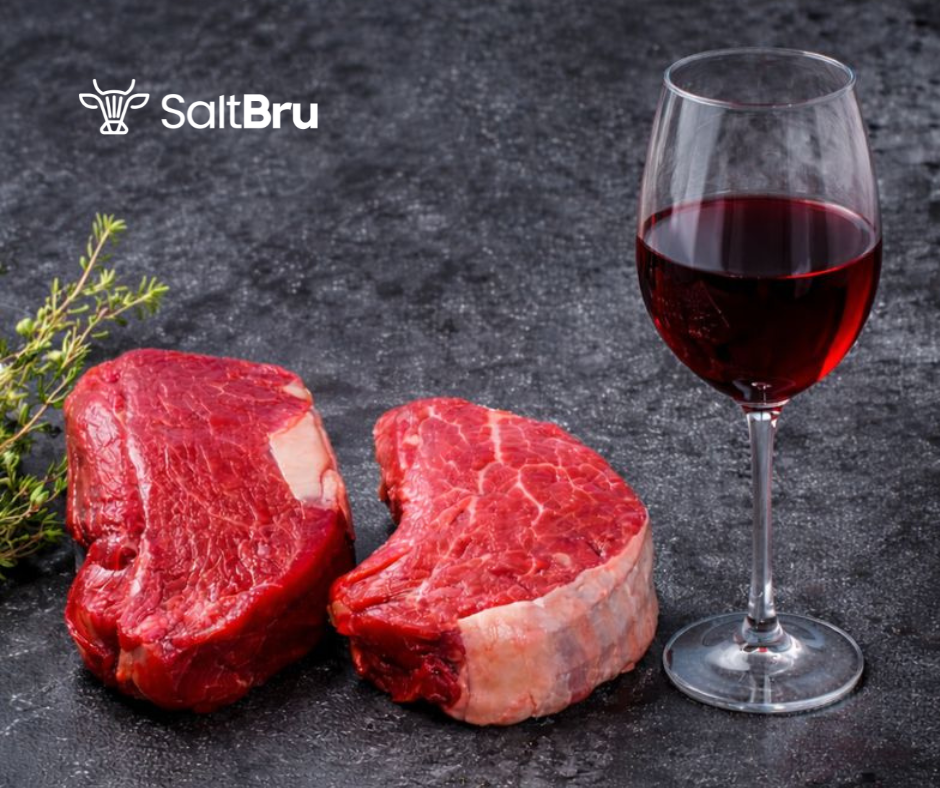
If you want to enhance your dinner, you should consider wine pairings. This can turn an ordinary meal into a fine dining experience. Gaining an understanding of the subtleties of wine and meat are the key, turning each bite and sip into a flavourful celebration. Don’t know where to start? We’ve got you covered.
Flavour Pairing
Understanding flavour profiles and how they interact is fundamental to wine and meat pairings. Meat and wine can have complementary flavours, textures, and aromas. Finding a balance that improves the entire dining experience is the goal. For example, a full-bodied red wine can complement the deep, umami flavours of a well-cooked steak, while a crisp white wine may be more appropriate for the lighter notes of poultry or fish. These combinations are frequently caused by the makeup of the wine and the meat. Certain chemicals in wine can react with the proteins in meat to create a more harmonious flavour profile. It’s important to choose carefully because wine’s tannins, acidity, and sweetness can either accentuate or mask the flavours of the meat.
Pairings of Red Meat
Robust wines are typically the best option for red meats like lamb or beef. Here are a few traditional pairs to think about:
- Ribeye steak paired with Cabernet Sauvignon: The rich, fatty aromas of a ribeye can be balanced by the strong tannins of a Cabernet Sauvignon. The savory taste of the meat is complemented by the wine’s dark berry and oak undertones, making for a well-rounded meal.
- Syrah with Lamb Chops: The gamey aromas of lamb are complemented by the peppery, spicy undertones of a Syrah. This combination is particularly effective when the lamb is seasoned with herbs like thyme or rosemary.
- Malbec with Beef Brisket: Slow-cooked beef brisket pairs well with Malbec’s silky texture and plummy notes. The savoury and smoky flavours of the meat are enhanced by the wine’s strong character.
Pairings of White Meat
White wines are frequently more suited for lighter meats like fish, poultry, or turkey. Here are a few outstanding combinations:
- Grilled chicken and Chardonnay: Grilled chicken goes very well with a robust Chardonnay, especially one that has been oaked. The meat’s juiciness is complemented by the wine’s creamy texture, yet any richness is cut through by its acidity.
- Sauvignon Blanc with roast chicken: When roast chicken is served with a lemon-based sauce or seasoned with herbs, the crisp acidity and citrus notes of Sauvignon Blanc complement the tastes of the chicken.
- Pinot Grigio with grilled fish: Because Pinot Grigio is crisp and light, it pairs well with grilled fish. Its refreshing properties highlight the fish’s subtle aromas without overpowering them.
Game and Pork Pairings
Because of their distinct flavour qualities, pork and game need a little extra thought:
- Barbecued pork ribs with Zinfandel: Zinfandel is a perfect match for pork ribs because of its fruity, smoky aromas and the sweetness of barbecue sauce.
- Grenache with duck: When the dish is made with berry sauces, the rich, fatty flavours of duck are wonderfully complemented by the fruity and spicy qualities of Grenache.
The Function of Acidity
In wine pairing, acidity is crucial. Higher acidity wines help balance the whole experience by cutting through the richness of fatty meats. For instance, a Riesling can go well with spicy Asian cuisines that include pork or chicken, while a Chianti, with its crisp acidity and cherry tastes, goes well with a thick meat sauce.
Tannins and Sweetness
Think about how sweeter wines, like Port or dessert wines, enhance flavours. A wonderful juxtaposition can be created by pairing a sweet wine with savoury or salty foods. However, too much tannin might overpower a delicate dish, although tannins in red wines help mellow the flavours of the meat.
Therefore, while choosing a wine, it’s important to take the preparation and seasoning of the meat into account.
Last Tips
- Experiment: Don’t be scared to attempt unusual pairings. Sometimes experimenting yields the most pleasant combinations.
- Prep is important: The meat flavour profile is greatly influenced by how it is prepared and seasoned. A dish with a lot of spices might need a different wine than a grilled dish with just a little seasoning.
- Watch your temperature: Serve white wines chilled and red wines at a little lower temperature than room temperature. The way flavours are perceived can be greatly affected by the serving temperature.
- Let your palate lead: In the end, wine pairing is heavily influenced by personal taste. Have faith in your taste buds and select what you like best.
Now let’s wine and dine, the right way
Wine and meat pairing is an artistic endeavour that calls for a careful balance of flavours, scents, and textures. You may create unforgettable dining experiences that raise your meals to new levels by considering the science underlying these pairings. Let the harmony of wine and meat lead your culinary explorations, whether you’re having a home-cooked supper or a classic South African braai. Let’s toast to enjoying delicious sensations and making memories that will last a lifetime!